Positive Mindset Builder Toolkit and Everyday Habits

A positive mindset isn’t a promise that every day will feel good. It’s a practice of making room for difficult feelings while looking for a thoughtful way forward. Small habits, repeated when they fit your life, can help you approach everyday challenges with more perspective.
If you’re interested in building a constructive routine, our Positive Mindset Builder Toolkit is one option to explore. Start with the practices that feel manageable, and give yourself permission to adjust them as your needs change.
What a Positive Mindset Can Look Like
Constructive thinking begins with realistic expectations. You can hope for a good outcome without assuming everything will go as planned. You can also acknowledge a mistake without turning it into a judgment about your entire character.
Self-compassion is part of that practice. When a day is frustrating, try speaking to yourself as you would to someone you care about: honestly, but without unnecessary criticism. You might recognize that you’re disappointed and still identify something useful you can do next.
It can also help to separate what is within your control from what isn’t. You may not be able to change another person’s response or recover lost time, but you can choose how to prepare for a conversation or prioritize the rest of your day.
None of this requires you to feel happy all the time. Anger, sadness, worry, and frustration are normal experiences. A positive mindset leaves room for those emotions instead of treating them as failures. Our Positive Mindset Builder Toolkit is a product you can explore alongside your own approach to this kind of practice.
Build a Simple Daily Practice
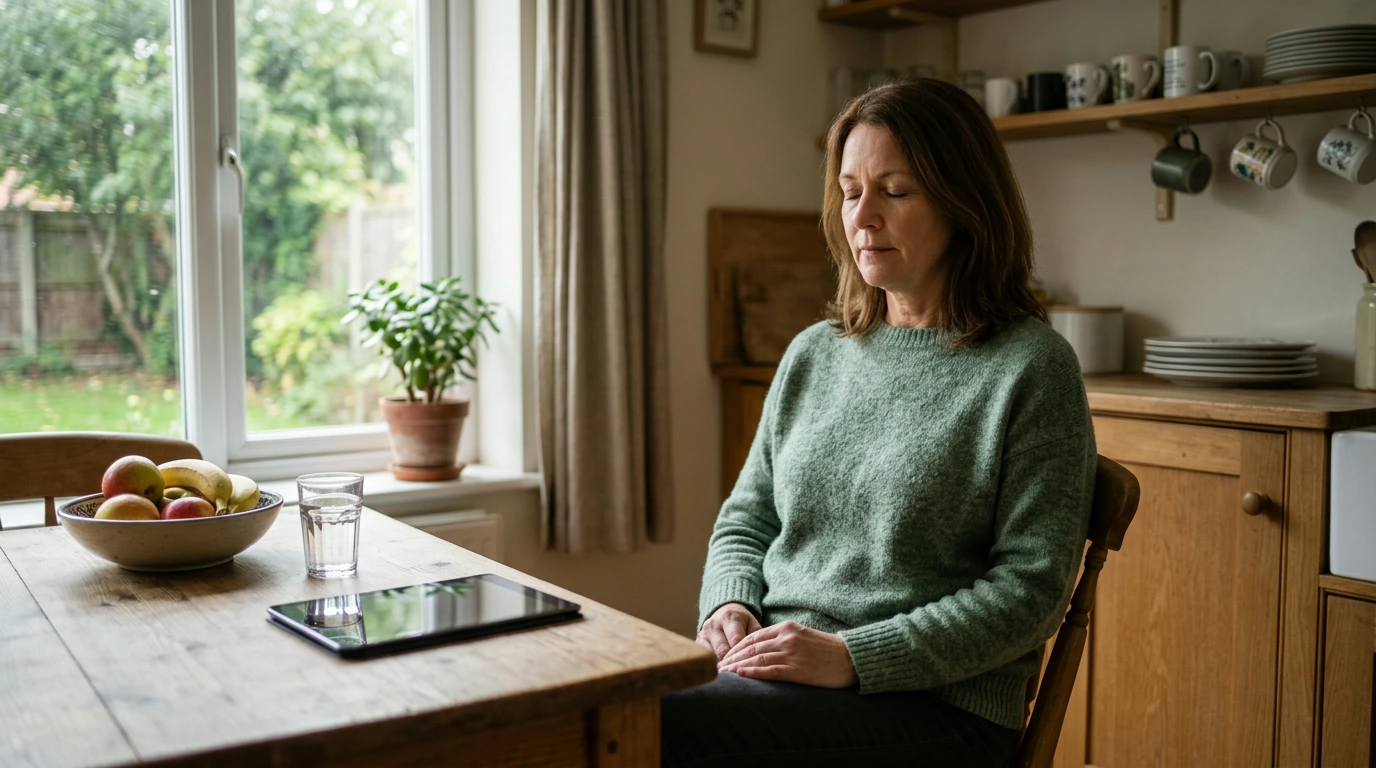
You don’t need to overhaul your schedule to get started. A brief check-in can create a useful pause between what you’re experiencing and what you do next. Ask yourself: “What am I feeling right now?” Then choose one manageable next step. If you feel overwhelmed by a long to-do list, that step might be opening the list and selecting one task.
When an unhelpful thought comes up, notice it without scolding yourself. Then consider whether there’s a more balanced alternative. For example, “I always get things wrong” might become “This didn’t go the way I wanted, but I can learn from it.” The goal isn’t to replace every uncomfortable thought with a cheerful one; it’s to make your assessment more fair and useful.
At the end of the day, consider one small win or something you appreciate. You might notice that you asked for help, completed an errand, or enjoyed a quiet conversation. Gratitude doesn’t erase a hard day. It simply allows you to recognize that a difficult experience may not be the whole story.
| Moment | Practice | Example |
|---|---|---|
| Starting the day | Set a realistic intention | Focus on one task at a time. |
| Facing a setback | Reframe the next step | Consider what can be adjusted. |
| Ending the day | Notice progress | Recall one action that helped. |
Make the Check-In Your Own
Some days, a check-in may take only a few seconds. On others, you might prefer to pause longer and consider what’s contributing to your mood. If naming a feeling is difficult, start broadly: “I feel tense” or “I feel discouraged” is enough. You can return to the question later without forcing an answer.
Where the Toolkit Fits
Our Positive Mindset Builder Toolkit is an option to consider if you want a product to accompany your personal mindset routine. It is listed at $379.99. Before purchasing, visit the product page to review its details and decide whether it fits your preferences and budget.
A purchase isn’t necessary to begin practicing constructive thinking. You can start with the check-in above and see what helps you return to it. If a familiar daily moment makes it easier to pause, you might pair the practice with your morning coffee or tea. Our Sleek Japanese-Style Ceramic Coffee Mug, 12 oz with Handle is another option to explore for that routine.
Consider how much time you want to spend, what you’re comfortable paying, and whether the product details match what you’re looking for. The most useful choice is one that supports a routine you can realistically maintain, rather than adding another obligation to your day.
Keep the Practice Realistic
Choose a routine that works with the time and energy you have. A one-minute pause may be more sustainable than a longer practice you feel pressured to complete. If your schedule changes, move the check-in to another time or make it shorter. Missing a day doesn’t mean you have to start over; you can simply return when you’re ready.
Difficult emotions are normal, and mindset practices are not a substitute for professional mental health care. If distress is persistent, feels hard to manage, or interferes with daily life, consider reaching out to a qualified mental health professional or another trusted care provider.
For further guidance, the National Institute of Mental Health offers information on caring for your mental health, and the Centers for Disease Control and Prevention shares resources on managing stress and supporting mental health.
FAQ
How do I build a positive mindset?
Start with small, repeatable habits: notice your thoughts, consider balanced alternatives, recognize progress, and practice self-compassion. Choose a routine that fits your life and adjust it as needed.
Does a positive mindset mean ignoring negative feelings?
No. A constructive mindset makes room to acknowledge difficult emotions and respond to them realistically.





Leave a comment