What Is the Strongest Herb for Stress? Options and Safety
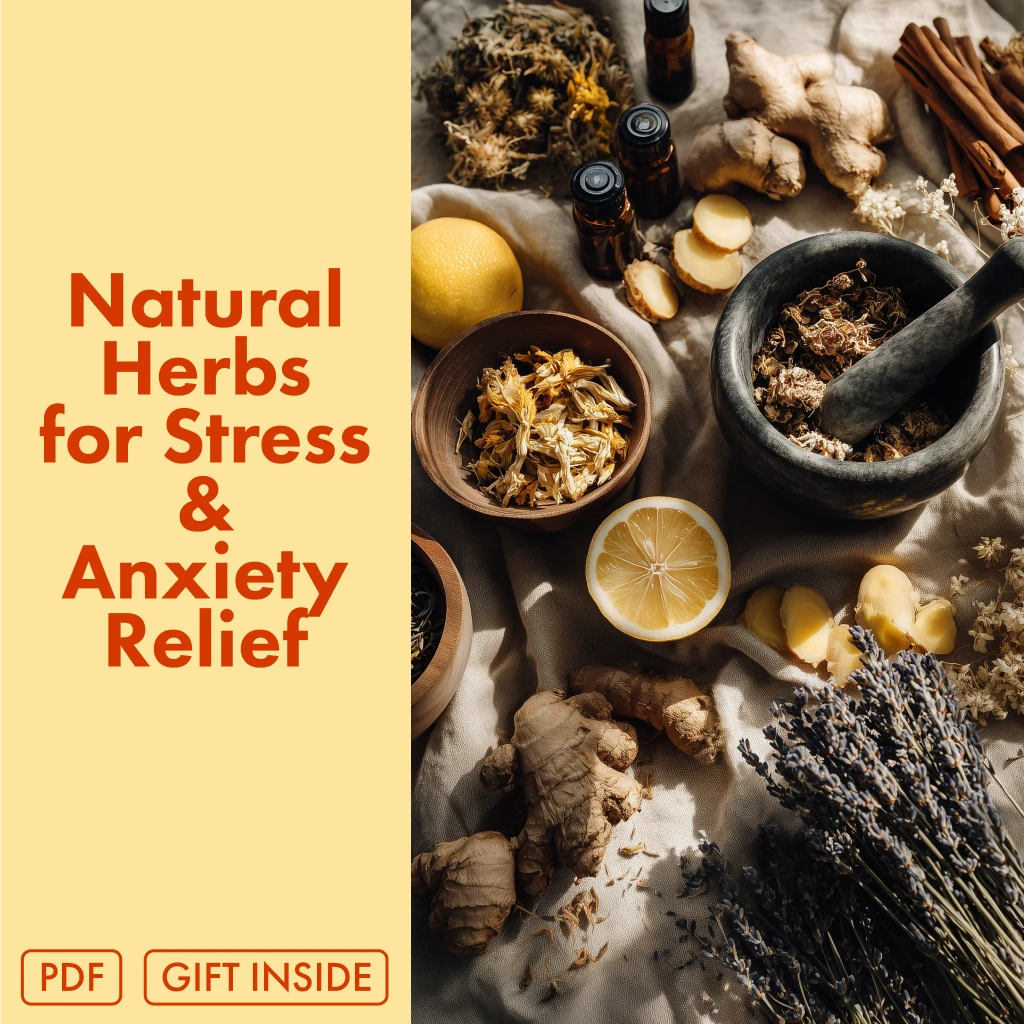
What is the strongest herb for stress?
Ashwagandha is one of the strongest candidates for stress support. Several clinical studies suggest that its root extract may help reduce perceived stress and cortisol levels in some adults. It is not a universal solution, though, and “strongest” does not mean it is the safest or best choice for everyone.
When choosing an herb, start with your goal. If you want ongoing support during a demanding period, ashwagandha may be worth considering. If you prefer a gentler option for occasional tension, lemon balm or chamomile may be a better fit.
How do you choose an ashwagandha product?
We recommend looking for a product that clearly identifies ashwagandha as Withania somnifera and specifies which part of the plant is used. Root extracts are common in stress-support products. A label that identifies the extract and its standardization can help you compare products, although a higher concentration does not automatically mean a better result.
Capsules offer a convenient, consistent serving, while powders can be mixed into food or drinks if you do not mind the earthy flavor. Follow the product’s directions rather than combining multiple ashwagandha supplements. Effects are not necessarily immediate; studies often assess changes over several weeks.
What other herbs can support stress relief?
Our team suggests considering these alternatives based on your preferences and health needs:
- Lemon balm: Often enjoyed as a tea or taken as an extract for occasional feelings of tension.
- Chamomile: A familiar herbal tea that can be part of a calming routine. Avoid it if you have an allergy to chamomile or related plants, such as ragweed.
- Rhodiola: An herb sometimes used for stress-related fatigue, although it can feel stimulating for some people.
For a broader look at these options, explore our guide to herbs for stress and anxiety.
Who should be cautious with ashwagandha?
Avoid ashwagandha during pregnancy or breastfeeding. It can affect thyroid function, interact with medications, and has been linked to rare cases of liver injury. Talk with a healthcare professional before using it if you have thyroid, liver, or autoimmune conditions, or take medications, including sedatives or thyroid medicine. Stop taking it and seek medical care if you develop symptoms such as yellowing skin or dark urine.
FAQ
Can you take stress-support herbs every day?
Some stress-support herbs are used daily, but suitability depends on the herb, product, medications, and your health. Follow the product directions and ask a healthcare professional about longer-term use.






Leave a comment